

 678-666-0628







27 Mar March Madness (in the Pantry): Systems for the High-Traffic Kitchen
March Madness (in the Pantry): Systems for the High-Traffic Kitchen
March Madness isn’t just happening on the court. In the kitchen industry, it’s happening in the pantry. For retailers, designers, and builders, spring renovation season triggers a surge of projects where homeowners expect more than basic shelving. They want high-performance kitchen pantry systems that handle traffic, clutter, bulk storage, and daily chaos, without compromising design.
For B2B teams, this shift isn’t about trend, but about margin expansion, upsell strategy, and efficiency. When positioned correctly, pantry organization becomes a standardized, revenue-driving system rather than a one-off upgrade.
Here’s how to capitalize on it.
Why the Pantry Is the Real MVP of Modern Kitchens
Today’s kitchens function as command centers. Groceries, small appliances, after-school snacks, meal prep tools, and even pet supplies move through one concentrated zone. The pantry absorbs the overflow. Industry data reinforces the opportunity:
- 76% of homeowners renovating kitchens add specialty built-ins.
- 41% add dedicated spice storage.
- 55% include storage for cookie sheets and trays.
- 38% install cutlery storage within pantry zones.
For B2B sellers, this signals a clear shift: pantry upgrades are no longer optional add-ons. They are expectation-level features. When three out of four renovation clients invest in built-ins, you are no longer “selling upgrades.” You are delivering baseline functionality, and that changes how you package and price your offering.
The Shift From “Storage” to “System”
High-performing retailers and designers no longer treat the pantry as filler cabinetry. They treat it as a micro-operational hub inside the larger kitchen ecosystem.
A system-based approach includes standardized components that improve usability, durability, and installation speed.
1. Zoned Vertical Storage
Full-height cabinetry with rollout trays, adjustable shelving, and pull-outs maximizes cubic footage while improving visibility. Clients no longer want deep, dark cavities where products disappear. They want access.
From a B2B perspective, vertical zoning:
- Increases perceived value
- Improves SKU consistency
- Standardizes hardware selection
- Reduces field modifications
You sell organization. You deliver operational efficiency.
2. Appliance Containment
With 67% of butler pantries housing small appliances, hidden containment is a major selling point. Deep countertop sections, appliance garages, and lift-up doors allow mixers, air fryers, and coffee stations to remain accessible yet concealed.
Appliance garages increase average ticket value without increasing installation complexity. They rely on predictable cabinet dimensions and factory-assembled components, making them easy to scale across projects.
3. Dedicated Tray & Sheet Storage
That 55% statistic matters. Vertical dividers for baking sheets and cutting boards solve a universal homeowner frustration: stacked, unstable storage.
- Simple SKU implementation
- Minimal labor required
- High perceived value
These inserts are simple SKUs that feel premium. They require minimal labor but deliver outsized perceived value. That combination protects the margin.
4. Integrated Spice & Drawer Systems
41% of homeowners add spice storage, and 38% add cutlery organization inside pantry zones. This demand for specificity creates an opportunity for pre-configured interior packages.
Instead of quoting accessories à la carte, offer bundled interior kits. You reduce decision fatigue, speed up approvals, and protect pricing consistency across your sales team. The shift is simple: stop selling shelves. Start selling structured workflow.
High-Traffic Kitchens Require Durable Thinking
“March Madness” kitchens operate at full intensity:
- Kids are grabbing snacks before school.
- Multiple cooks working simultaneously.
- Bulk grocery runs.
- Weekend meal prep marathons.
- If pantry systems lack durability, callbacks erode profit quickly.
Position your offering around performance:
- Factory-assembled cabinetry for square installs
- Reinforced rollout hardware
- Adjustable shelving rated for bulk weight
- Moisture-resistant interior finishes
Durability reduces service calls. Fewer service calls protect margins. Consistent installs build contractor loyalty. Reliability is not a design feature. It is a business strategy.
Designing for Flow: The Rise of the Butler Pantry
The growth of the butler pantry has reshaped layout strategy across modern kitchens. What was once a luxury add-on now functions as a high-efficiency transition zone between:
- Prep
- Cooking
- Entertaining
For design teams, this means planning intentionally:
- Integrate countertop landing space.
- Add dedicated task lighting.
- Conceal overflow storage.
- Specify appliance electrical placement early.
When treated strategically, the butler pantry becomes an operational buffer that absorbs:
- Mess
- Noise
- Visual clutter
Pros can pre-bundle butler pantry packages into tiered offerings to simplify the sales cycle. A structured Good/Better/Best framework standardizes quoting, clarifies value, and increases close rates.
Turning Pantry Organization into a Revenue Engine
Pantry systems become powerful when you operationalize them. Here’s how B2B teams scale the opportunity:
1. Standardize Insert Packages
Offer pre-built interior kits for spices, trays, cutlery, and rollouts rather than quoting individual accessories. Standardization:
- Speeds quoting
- Improves pricing consistency
- Reduces specification errors
- Increases average order value
2. Educate Contractors
Contractors prefer systems that reduce onsite labor. Factory-installed accessories align correctly, reduce adjustment time, and minimize call-backs. When installers trust your product, they recommend it.
3. Leverage Digital Visualization
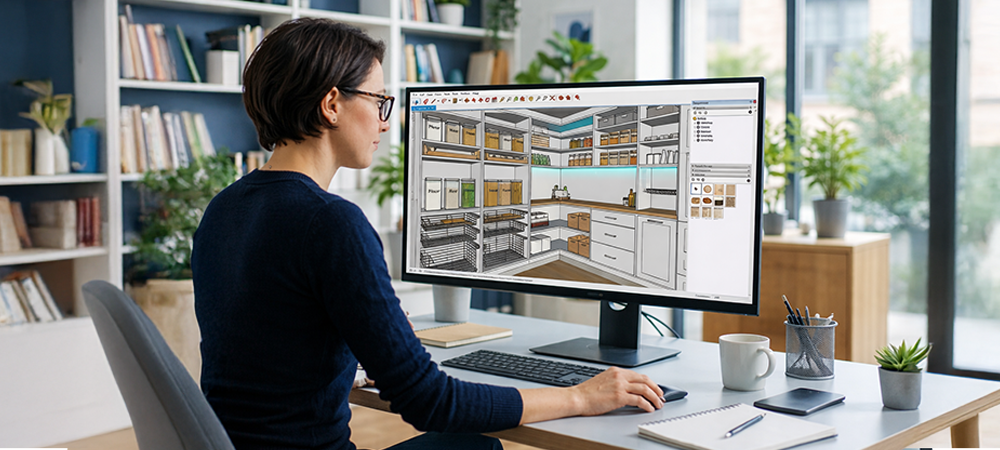
Interior renderings close faster than line-item descriptions. When clients see pull-outs, tray dividers, and vertical spice storage inside the cabinet, they understand the benefit immediately. Visualization reduces hesitation and accelerates approvals.
4. The Operational Advantage for B2B Teams
At Kitchen365, we see pantry systems directly influencing three critical dealer metrics:
- Higher average order value through accessory bundling.
- Standardized packages shorten the sales cycle.
- Reduced field errors with factory-installed components.
The pantry may occupy a small footprint on the floor plan, but it delivers outsized leverage across:
- Sales
- Operations
- Installation
When you systemize it, you control it. When you control it, you scale it.
The Operational Advantage for B2B Teams
At Kitchen365, we see pantry systems directly influencing three critical dealer metrics:
- Higher average order value through accessory bundling.
- Shortened sales cycles via standardized packages.
- Reduced field errors with precise, digital-first ordering.
The pantry may occupy a small footprint on the floor plan, but with the right technology, it delivers outsized leverage across your entire operation.
Winning the Season
“March Madness” in the pantry represents opportunity. When 76% of renovating homeowners prioritize specialty built-ins, your competitive advantage depends on how strategically you package, price, and present those solutions.
High-traffic kitchens demand:
- Intentional zoning
- Durable hardware
- Pre-configured organization
- Seamless installation
For B2B professionals, the pantry is no longer filler cabinetry. It is a performance-driven, margin-building system. In today’s competitive kitchen market, that makes it the real MVP.
Frequently Asked Questions
Why are pantry systems a strong upsell?
Pantry upgrades feel essential rather than optional, making them easier value-adds.
How should B2B teams position pantry organization?
Sell workflow, not shelving. Focus on visibility, zoning, durability, and daily-use efficiency.
How do pantry systems protect margins?
Durable hardware and factory-assembled components reduce callbacks, service issues, and onsite labor adjustments.
Are butler pantries still luxury upgrades?
No. They now function as high-efficiency transition zones in modern kitchen layouts.
What is the best way to sell pantry upgrades?
Ask pain-based questions about clutter and traffic flow, then recommend pre-configured insert packages.
How we shorten the sales cycle?
Offer standardized Good/Better/Best pantry packages to reduce customization bottlenecks.
Do kitchen pantry upgrades increase installation complexity?
Not when factory-installed. Standardized components typically streamline installation rather than complicate it.
Does visualization help close pantry upgrades?
Yes. Interior renderings increase buyer confidence and accelerate approval decisions.
Why treat the pantry as a high-performance zone?
Because it handles the highest daily traffic in the kitchen, making it a primary driver of durability, efficiency, and profitability.



Sorry, the comment form is closed at this time.