

 678-666-0628







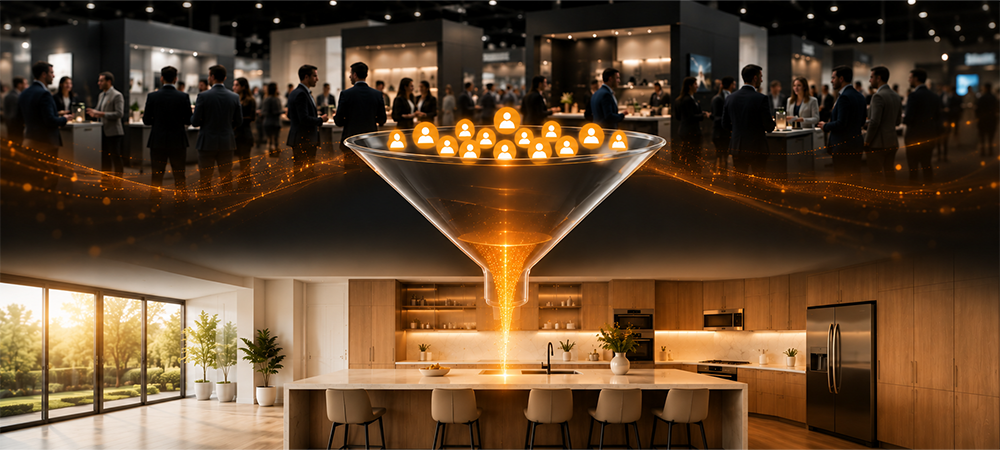

19 Jun Turn Spring Trade Show Leads into Summer Sales
Maximizing Showroom Momentum: Turning Your Spring Trade Show Leads into Summer Sales
The high-energy buzz of the spring trade show floor has faded, leaving you with a stack of business cards, and a CRM populated with fresh names from:
- Builders
- Architects
- Interior designers
But as summer settles in, that initial excitement can stall. If you haven’t followed up strategically, those high-value industry contacts are likely cooling off.
For kitchen and bath dealers, the gap between meeting a trade partner in the spring and signing a contract in the summer comes down to one thing: systematic follow-up. Here is how to use automation and precise segmentation to turn your spring momentum into summer sales.
Step 1: Segment by Kitchen & Bath Buying Personas
A builder curious about bulk cabinet lead times does not want the same content as an interior designer looking for custom organizational inserts or custom vanity capabilities. Before sending a single email, segment your spring trade show list into clear buckets:
- Residential Builders & Remodelers: Focus your messaging on reliability, consistent cabinet lead times, job-site delivery schedules, and trade pricing tiers.
- Interior Designers & Architects: Highlight your design flexibility, unique finish trends (like the rise of organic modern wood aesthetics), specialty hardware lines, and how your showroom can serve as a seamless extension of their own business.
- Retail/Walk-In Leads: Focus on project timelines, full-service kitchen remodeling capabilities, and inviting them back into the showroom for a formal design consultation. Many homeowners begin their research by searching for kitchen showrooms near me, making it important to showcase your displays, design expertise, and local reputation throughout your follow-up communications.
Step 2: Build a 4-Part Automated Nurture Sequence
Do not rely on your sales team to manually email every single contact every week. Set up a targeted, automated email sequence triggered by your trade show tag. Space these out over 3 to 4 weeks:
- The Context Reconnect (Day 1 after sorting): Remind them where you met. Keep it brief. Include a photo of your booth or a prominent cabinet line you featured to jog their memory.
- The Value Drop (Day 7): Share an exclusive resource. For designers, send a lookbook of upcoming kitchen and bath trends. For builders, send a specification guide or a quick breakdown of your current lead times.
- The Showroom Invitation (Day 14): Send a short video or visual invitation showcasing your displays. Highlight how easy it is for them to bring clients in and touch hardware, test drawer glides, and view slab samples. Reinforce the value of visiting a local showroom, especially homeowners actively searching for kitchen showrooms near me who want to compare materials and finishes in person before making a final decision.
- The Low-Friction Call to Action (Day 21): Offer a specific next step. Do not just say "let's catch up." Instead, invite them to register for your trade-only portal or schedule a 15-minute introductory coffee at the showroom.
Step 3: Let the CRM Trigger Sales Calls
Automation handles heavy lifting, but human touch closes the deal. Use your CRM data to tell your design team exactly when to pick up the phone.
Set up automated notifications that create a follow-up task for a designer or account representative whenever a high-value builder opens your "Lead Times & Spec Guide" email more than twice or clicks a link to view your semi-custom cabinet lines, ensuring your team calls them within 24 hours. You are no longer cold-calling; you are reaching out right when your business is top-of-mind.
Major Takeaways
Trade shows are an investment in future pipelines, not just immediate handshakes. By automating the education process and segmenting your message, you keep your showroom relevant all summer long. Whether a builder needs a reliable cabinet supplier or a homeowner is searching for kitchen showrooms near me, consistent follow-up ensures your business stays top-of-mind when it's time to start the next kitchen or bath project.
Frequently Asked Questions
How long should I wait to start the automated email nurture sequence after a trade show?
Aim to launch your automated sequence within 3 to 5 business days after the event.
What is the best way to handle a lead who fits multiple segments?
Route design-build firms into your builder/remodeler segment first but highlight your design support capabilities.
How do I prevent my automated emails from feeling impersonal to high-value designers?
Use dynamic tags in your CRM to inject personalized details, such as the contact’s name, their company name, and the specific city they operate in.
What metrics should trigger a direct phone call from our sales or design team?
Look for high-intent signals in your CRM reporting. Set up automatic tasks for your team when a lead clicks on a high-value link or opens the same nurture email more than twice within 48 hours.

Sorry, the comment form is closed at this time.