

 678-666-0628







13 Mar How to Move Spring Window Shoppers into the Design Phase
How to Move Spring Window Shoppers into the Design Phase
Spring is the peak season for kitchen and bath businesses. Showroom traffic increases; inboxes fill with inquiries, and social engagement surges. But inside that momentum is a familiar challenge: an influx of window shoppers, homeowners who love to browse but hesitate to take the next step.
These buyers aren’t unqualified. They’re simply early in the design phase. And with the right strategy, spring window shoppers can move from “just looking” to active design conversations faster than most businesses expect.
Here’s how to meet spring shoppers where they are and guide them confidently toward “let’s build.”
Understand the Spring Window Shopper Mindset
Spring window shoppers tend to share a few common behaviors:
-
They’re motivated by:
- Seasonal change
- Tax refunds
- Upcoming moves
- They’re collecting inspiration, not specifications.
- They worry about starting too soon or making the wrong decision.
The biggest mistake kitchen and bath businesses make is treating these leads as passive browsers. They’re actively evaluating who they trust to guide the process.
Your goal isn’t to push a sale. It’s to remove friction and make the next step feel safe, valuable, and low commitment.
Replace "Contact Us" with Design-Forward Entry Points
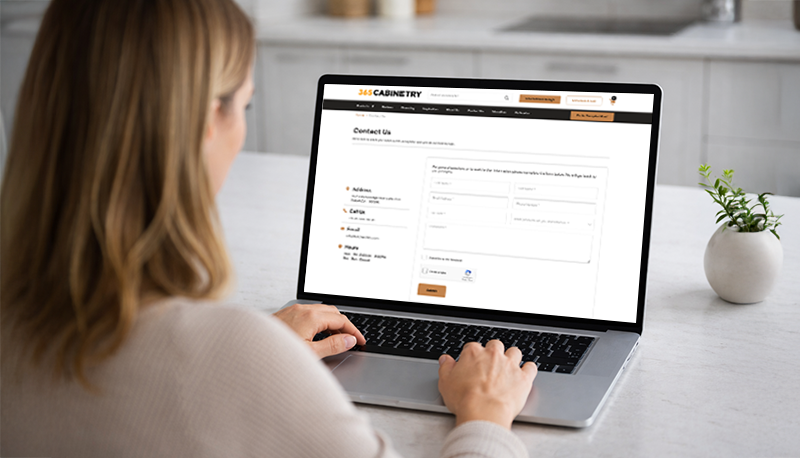
Generic CTAs create hesitation for early-stage buyers. Window shoppers respond better to actions that feel exploratory, not transactional.
Instead of:
- Request a Quote
- Schedule an Appointment
Test design-led alternatives:
- Explore a Layout for Your Space
- See What’s Possible in Your Kitchen
- Start with a Free Design Concept
Positioning the next step as design discovery lowers resistance and reinforces your role as a consultant, not a salesperson.
Use Visual Proof to Shorten the Decision Curve
Spring shoppers are imagining what could be. Your job is to help them visualize outcomes faster. High-performing visual assets include:
- Before-and-after kitchen and bath transformations with brief context
- Annotated layouts explaining why design decisions work
- Short videos walking through real projects, not just finished photos
Pro Tip: Pair visuals with light guidance. A line like “This client started with a similar layout and budget” bridges the gap between inspiration and action.
Introduce Micro-Commitments Instead of Big Leaps
Asking for too much too soon slows momentum. The most effective kitchen and bath businesses design their funnels around small, confidence-building steps. Examples of effective micro-commitments:
- A 15-minute design discovery call.
- A preliminary layout review.
- A style and needs questionnaire.
Each step should answer one question for the buyer: "Do I feel comfortable moving forward?"
When the answer becomes yes, entering the design phase feels natural, not risky.
Address Timing Anxiety Head-On
Many spring window shoppers hesitate because they’re unsure when to start. If you don’t control the narrative, indecision will. Proactive messaging should:
- Clearly explain lead times.
- Highlight the advantages of early design planning.
- Share real examples of clients who started “just exploring” and avoided delays.
Position design as preparation, not commitment. When buyers understand that early planning gives them more control, not less, they move forward faster.
Follow Up with Value, Not Pressure
Spring leads often go quiet, not because they’ve lost interest, but because they’re overwhelmed. Effective follow-ups should:
- Offer clarity instead of urgency.
- Share insight rather than discounts.
- Reinforce your role as a guide.
High-performing follow-up examples:
- “Here’s what most homeowners focus on during this stage.”
- “A quick tip for planning around spring renovation timelines.”
- “One thing to consider before finalizing your layout.”
Consistency builds trust. Trust moves window shoppers into the design phase.
Turn Window Shoppers into Design-Phase Clients
Spring window shoppers don’t need to be convinced; they need to be guided. When kitchen and bath businesses:
- Reframe entry points around design.
- Reduce early commitment anxiety.
- Educate instead of pushing.
- Show real-world outcomes.
They transform “just looking” into “let’s build” before competitors even follow up.
Spring is already working in your favor. The question is whether your process captures that momentum or lets it walk back out the door. Contact Kitchen365 to see how we can help.




Sorry, the comment form is closed at this time.